There is probably no more famous rivalry than the “Cola Wars” of the late 1970s and 1980s, which describes the fierce competition between the two soft drink giants, Coke and Pepsi. The rivalry was so intense that it cemented itself into popular culture, with Billy Joel mentioning it in his 1989 song “We Didn’t Start the Fire” (Economist, 2020). The “Cola Wars” is a symbol of the cutthroat nature of competition and advertising and left a lasting impact on both businesses and consumers alike. But the so-called “Cola Wars” were almost 50 years ago, and advertising and marketing are evolving past the traditional us vs. them rivalries.
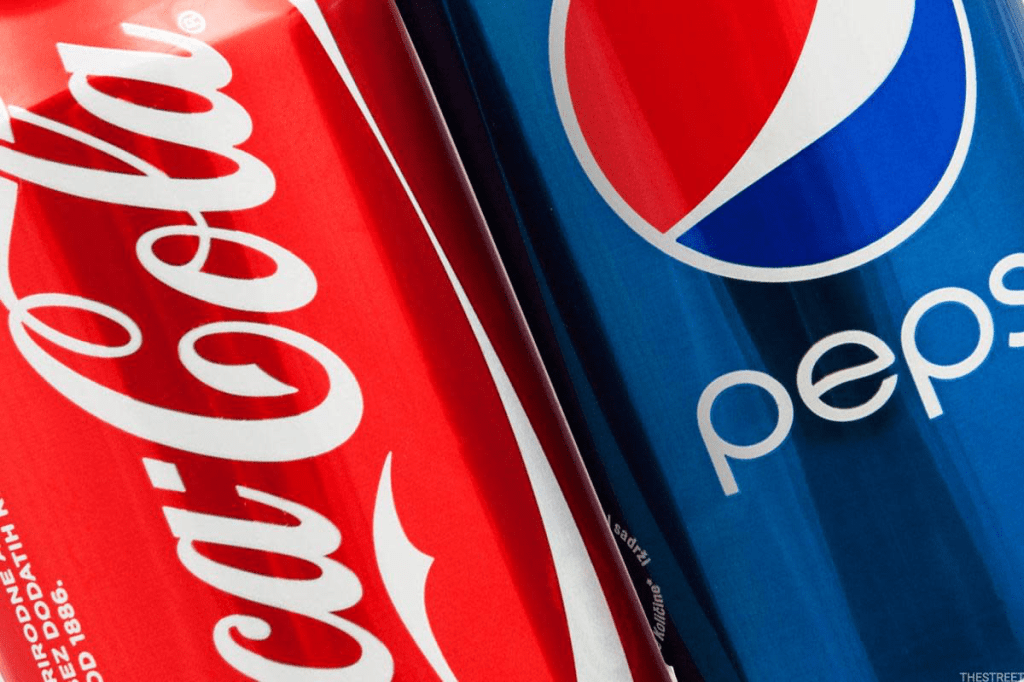
The classic approach of us vs. them thrives on pointing out differences and the perceived superiority of one brand over another. This approach firmly positions each brand in the consumer’s mind and fosters distinct identities that cater to different consumer preferences. The traditional competitive strategy can encourage strong, almost tribal loyalty. Consumers often identify with one brand over the other, viewing their choice as a statement of personal preference or even identity (Pollyanna Obi et al., 2023). You are either a Coke person or a Pepsi person, and when faced with the question at a restaurant, “Is Pepsi ok?” as a Coke person, saying yes feels like a betrayal.

New research has shown that there is a potential for a shift in this dynamic. Brands that occasionally praise their competitors can actually enhance their own image and even boost sales. Studies show that consumers show interest in buying from companies that were not focused on the cutthroat traditional way of advertising but praised their competition. When a brand acknowledged and praised its competition, the consumer felt that they were a more trustworthy, warmer, and thoughtful brand. This led to more interaction with the brand through clicks on social media and ultimately more purchases (Cutright et al., 2022). Praising a competitor can position a brand as confident and secure. This can elevate the brand’s image beyond product superiority and portray it as a respectable player in the market. Customer loyalty can increase, as the consumer feels like the brand is more relatable, and it may encourage new customers who are fed up with the constant rival bashing that is common in traditional advertising.
But being nice and praising the competitor may not always be the best move. For example, if a struggling brand praises a market leader, it could be seen as an admission of defeat rather than graciousness. Or if it seems inauthentic or sarcastic, it may be seen as insincere and backfire, damaging the brand’s reputation.
As far as the “Cola Wars” are concerned, it’s unlikely that the two will join in a kumbaya moment anytime in the near future, but they can still acknowledge that their own brand success is wrapped up in the existence of their competitor. If there was no Pepsi, there would be no Coca-Cola, and vice versa. Their rivalry is what makes them strive for continuous improvement and innovation in order to stay ahead in the market (Economist, 2020).

References
Cutright, K. M., Du, K. M., & Zhou, L. (2022, March 24). Research: When praising the Competition Benefits Your Brand. Harvard Business Review. https://hbr.org/2022/03/research-when-praising-the-competition-benefits-your-brand
The Economist Newspaper. (2020). The cola wars made Pepsi and Coke “the World’s best marketers.” The Economist. https://www.economist.com/graphic-detail/2020/10/01/the-cola-wars-made-pepsi-and-coke-the-worlds-best-marketers
Pollyanna Obi, Kingsley Eze, & Raphael Balogun. (2023). Competition in marketing: A deep dive into advertising rivalries. Fusion of Multidisciplinary Research, An International Journal, 4(2), 471–482. https://doi.org/10.63995/bvit4813
 MKT 345 Blog