Consumer Behavior Blog for project

Tumblr ↗

Tag: marketing

  • 5-1 Blog Post: Brand Rivalries and Consumer Behavior

    There is probably no more famous rivalry than the “Cola Wars” of the late 1970s and 1980s, which describes the fierce competition between the two soft drink giants, Coke and Pepsi. The rivalry was so intense that it cemented itself into popular culture, with Billy Joel mentioning it in his 1989 song “We Didn’t Start the Fire” (Economist, 2020). The “Cola Wars” is a symbol of the cutthroat nature of competition and advertising and left a lasting impact on both businesses and consumers alike. But the so-called “Cola Wars” were almost 50 years ago, and advertising and marketing are evolving past the traditional us vs. them rivalries.
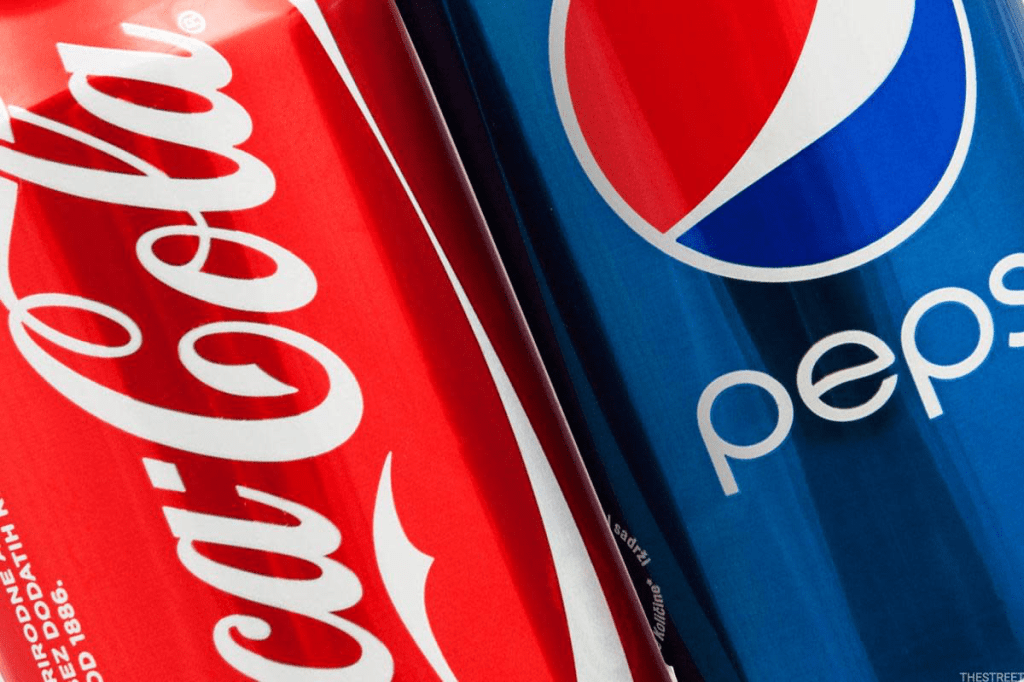
    The classic approach of us vs. them thrives on pointing out differences and the perceived superiority of one brand over another. This approach firmly positions each brand in the consumer’s mind and fosters distinct identities that cater to different consumer preferences. The traditional competitive strategy can encourage strong, almost tribal loyalty. Consumers often identify with one brand over the other, viewing their choice as a statement of personal preference or even identity (Pollyanna Obi et al., 2023). You are either a Coke person or a Pepsi person, and when faced with the question at a restaurant, “Is Pepsi ok?” as a Coke person, saying yes feels like a betrayal.

    New research has shown that there is a potential for a shift in this dynamic. Brands that occasionally praise their competitors can actually enhance their own image and even boost sales. Studies show that consumers show interest in buying from companies that were not focused on the cutthroat traditional way of advertising but praised their competition. When a brand acknowledged and praised its competition, the consumer felt that they were a more trustworthy, warmer, and thoughtful brand. This led to more interaction with the brand through clicks on social media and ultimately more purchases (Cutright et al., 2022). Praising a competitor can position a brand as confident and secure. This can elevate the brand’s image beyond product superiority and portray it as a respectable player in the market. Customer loyalty can increase, as the consumer feels like the brand is more relatable, and it may encourage new customers who are fed up with the constant rival bashing that is common in traditional advertising.

    But being nice and praising the competitor may not always be the best move. For example, if a struggling brand praises a market leader, it could be seen as an admission of defeat rather than graciousness. Or if it seems inauthentic or sarcastic, it may be seen as insincere and backfire, damaging the brand’s reputation.

    As far as the “Cola Wars” are concerned, it’s unlikely that the two will join in a kumbaya moment anytime in the near future, but they can still acknowledge that their own brand success is wrapped up in the existence of their competitor. If there was no Pepsi, there would be no Coca-Cola, and vice versa. Their rivalry is what makes them strive for continuous improvement and innovation in order to stay ahead in the market (Economist, 2020).

    References

    Cutright, K. M., Du, K. M., & Zhou, L. (2022, March 24). Research: When praising the Competition Benefits Your Brand. Harvard Business Review. https://hbr.org/2022/03/research-when-praising-the-competition-benefits-your-brand 

    The Economist Newspaper. (2020). The cola wars made Pepsi and Coke “the World’s best marketers.” The Economist. https://www.economist.com/graphic-detail/2020/10/01/the-cola-wars-made-pepsi-and-coke-the-worlds-best-marketers 

    Pollyanna Obi, Kingsley Eze, & Raphael Balogun. (2023). Competition in marketing: A deep dive into advertising rivalries. Fusion of Multidisciplinary Research, An International Journal4(2), 471–482. https://doi.org/10.63995/bvit4813 
  • 2-1 Module 2 blog post Uncovering New Market Segments

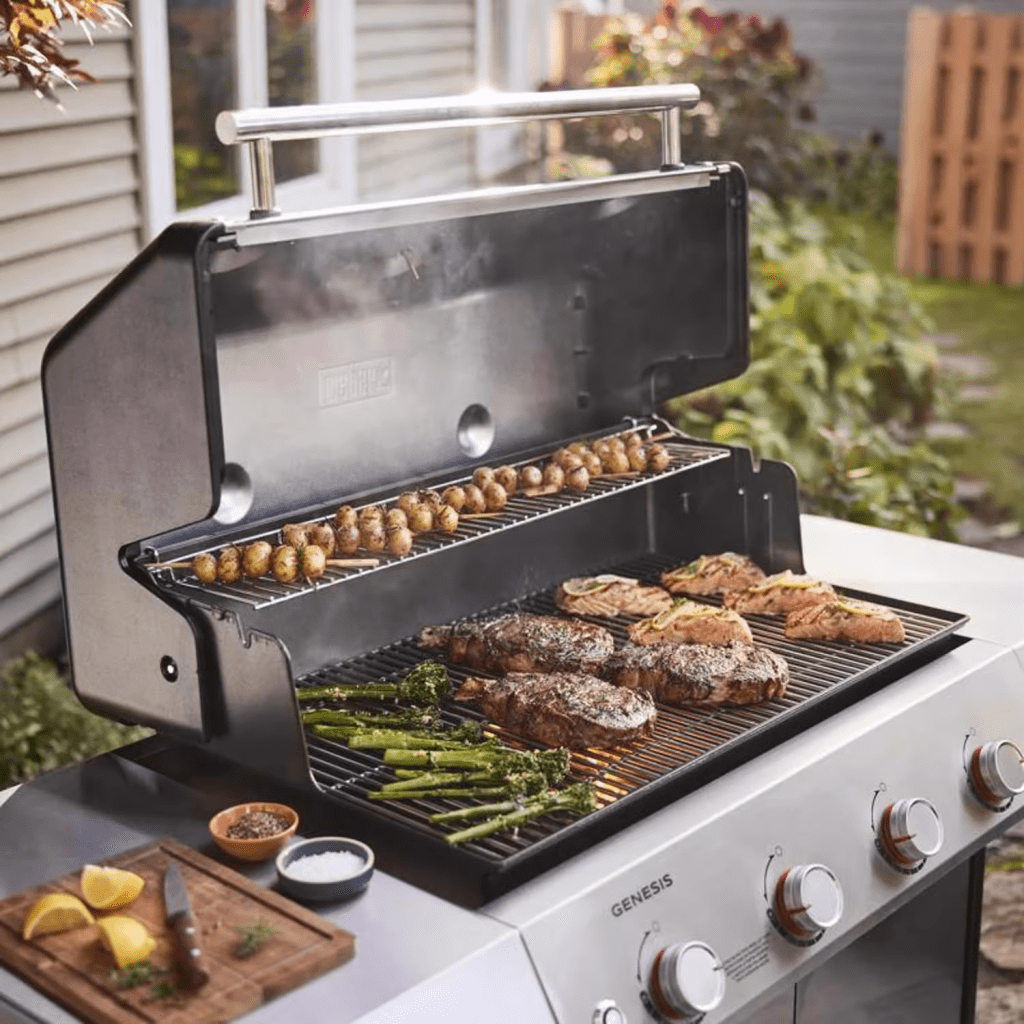
    It is finally spring in New England, and with the warmer weather comes a desire for grilled meats and eating dinner outside. With the new grilling season upon us, my household found itself in need of a new grill. After much discussion and research, we decided to purchase a Weber grill. Weber was established in 1952 and has since become the world’s most popular grill brand. We’ve owned other grill brands; in fact, the grill we needed to replace was a mid-level-priced grill from the brand “Char-Broil,” and it lasted a couple of years. This time, however, we were looking for something that was going to last us a bit longer—enter Weber Grills. Even though they are more expensive, Weber has a reputation for being durable and reliable, and that is what we were looking for. To me, Weber is worth more because of its reputation (Babin, 2022).

    Weber’s broad market is everyone who enjoys grilling food at their home. If we look at the market segmentation, we can break this down into smaller, distinct consumer groups like first-time homeowners, casual grillers, outdoor living enthusiasts, and luxury/high-end shoppers.

    The Weber implements their segmentation strategy for each of their groups in different ways. Two major segmentation strategies are demographic and geographic. The biggest indication of the demographic segmentation strategy is the range of products at different price points. This allows for marketing to different demographics based on economic status. By offering a variety of products at various price points, Weber is able to appeal to a wide range of consumers with different budgets. To market to a geographic segment, Weber offers tabletop grills as well as traditional-style gas and charcoal grills that would be more suitable for smaller living spaces in urban areas. This allows them to target consumers living in apartments or condos who may not have the space for a larger grill, expanding their reach to a wider geographic segment of the market. This strategy is one of the ways we were convinced that Weber was the right brand of grill for us to buy, as we live in an urban area with not a lot of yard space.

    When implementing segmentation strategies, it is important to remember and understand the specific needs of the target market. By recognizing that customers in an urban area still enjoy grilling but need a compact grill that fits their living situation, Weber is able to capitalize on millennials who are not yet ready to buy a home and are still renting an apartment. Another point businesses need to keep in mind is that a target market’s needs and wants are fluid and apt to change; for example, young adults today desire different things than their parents did at the same age. Weber and other businesses need to keep in mind that the segmentation strategy needs to be able to pivot as needed. Businesses should also use reliable research and data to ensure that they are effectively defining and ultimately reaching their desired marketing segments (Cruz, 2021). Tailoring all aspects of the marketing mix, like product, price, place, and promotion, to appeal to each segment is another point that a business will want to consider when implementing their segmentation strategy. If marketing to millennials or Gen Z, a company wants their product available where that group shops; if marketing to older consumers, television ads may be the way to reach them, and so forth. Businesses should stay flexible, use reliable data, and continue to monitor trends. Doing this will help adapt to changing consumer needs, improve engagement, and build loyalty.

    A new market segment that I have noticed recently is the increasing number of millennials who are trying to live more eco-friendly and sustainable lives. There seem to be a lot more “farming” influencers on my For You page of TikTok, and I think that this trend will continue to grow in popularity among younger generations. Homeowners are buying chickens—with the price of eggs, it makes sense—and growing their own fruits and veggies. To target this group, I would develop a segmentation strategy that focuses on psychographics and emphasizes environmental values and lifestyle. Marketing efforts should highlight eco-friendly features, sustainable materials, and energy efficiency. Using digital channels like social media (TikTok and Instagram) and partnering with well-known green brands to effectively reach this environmentally aware audience and increase brand awareness and engagement. 

    References

    Babin, B. J., & Harris, E. G. (2022). Consumer Behavior (9th ed.). Cengage Learning. 

    Cruz, B. (2021, March 25). The 5 keys to successful segmentation. Chadwick Martin Bailey. https://www.cmbinfo.com/insights/the-5-keys-to-successful-segmentation/ 

    Edwards, C. (2022, April 15). Millennials, fire up your (weber) grills!. Harris Poll. https://theharrispoll.com/briefs/millennials-fire-up-your-weber-grills/ 

    LinkedIN Learning. (2023, September 1). How do you align your marketing mix with your market segments and Target Markets?. How to Align Your Marketing Mix with Your Market Segments and Target Markets: A Case Study. https://www.linkedin.com/advice/0/how-do-you-align-your-marketing-mix-market#:~:text=Aligning%20Marketing%20Mix%20with%20Market,on%20segment%20performance%20and%20feedback. 

    Segmentation, targeting & positioning (STP) in marketing: Explained with examples – the strategy story. The Strategy Story – Simplifying Business Strategies. (2023, May 11). https://thestrategystory.com/blog/segmentation-targeting-positioning-stp-in-marketing-explained-with-examples/